New Orleans Voodoo: Part Two
Hello, hello friends of old and friends of new! I'm so glad my new series, New Orleans Voodoo, has been entertaining for you all. I welcome you today to part two of this series!
Last week we explored powerful figures in the voodoo religion and a little bit about its origins; today I'd like to dive deeper into how this religion came about and what Voodoo really is.
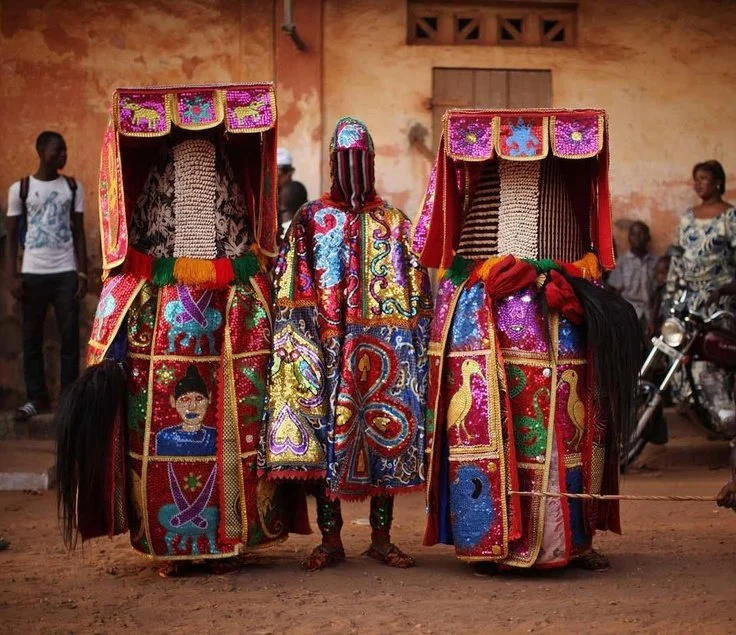
Voodoo is a syncretic religion in which a blend of multiple religions came together and formed one. In Voodoo's case, Haitian and West African spiritual beliefs and practices merged with Roman Catholicism, as mentioned in part one with the Saints and Voodoo figures. This merge created the religion ‘Voodoo, Vodun, or Vodou’. This religion's origins in West African/Haitian terms stemmed from spiritual practices and beliefs from the Dahomey region (modern-day Benin), including the Fon, Yoruba, Ewe, and Kongo cultures that played massive roles in shaping the Voodoo religion as we know it today.
According to the article ‘What is Voodoo and Where did it Originate’, “These ceremonies often feature drumming, chanting, and dancing, which help practitioners transcend the physical world and interact with the spiritual one,” meaning before it merged with Catholicism, the core practices were rituals including “Drumming, dancing, and chanting are used to enter spiritual states and connect with spirits.”, spiritual Possession involving, “Spirits (lwa) that temporarily possess practitioners, guiding their actions or delivering messages through them.”, and ancestor worship where, “Offerings are made to ancestors, who are revered as protectors and intermediaries between the living and the spirit world.” As mentioned in part one, when enslaved Africans were brought over during the slave trade, they were forced to engage in Catholic practices, keeping their own religious practices and adapting to the Catholic religion as well. Christian/Catholic practices of prayer, crosses, candles, baptisms, etc., were utilized but often in connection to African spirits rather than holy saints.
The adaptation of Catholicism within their original spiritual practices allowed those enslaved to hold onto a sense of self while still conforming enough for their oppressors to be satisfied.
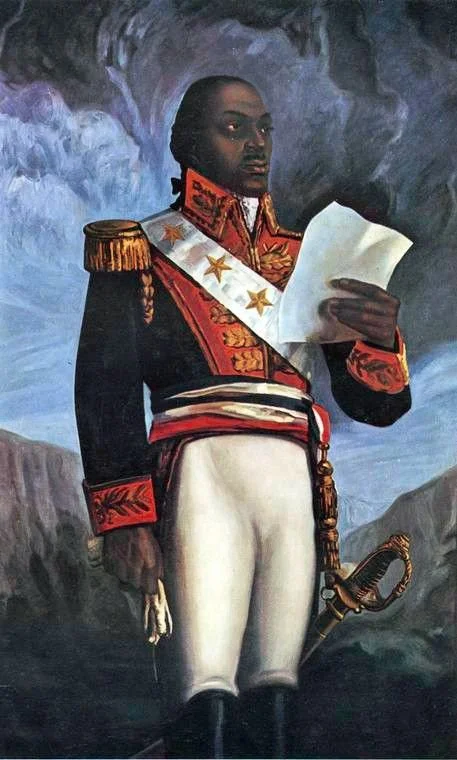
In New Orleans, Voodoo was partly due to the West African slaves brought over, but also partly due to the Haitian Revolution in the late 18th century, when free and enslaved people fled to Louisiana. The Haitian Revolution was led successfully by Toussaint Louverture. Similar to West African Voodoo, they brought their own spiritual practices and beliefs that mixed with the New Orleans and Louisiana Catholic culture. Hoodoo is another form of practice/religion; however, that should not be confused with Haitian Voodoo or West African Voodoo (maybe we will talk more about Hoodoo in part 3). The influence the syncretic religion Voodoo had on New Orleans made it a city that bustles with life and a deep spiritual connection you cannot find anywhere else in the United States.
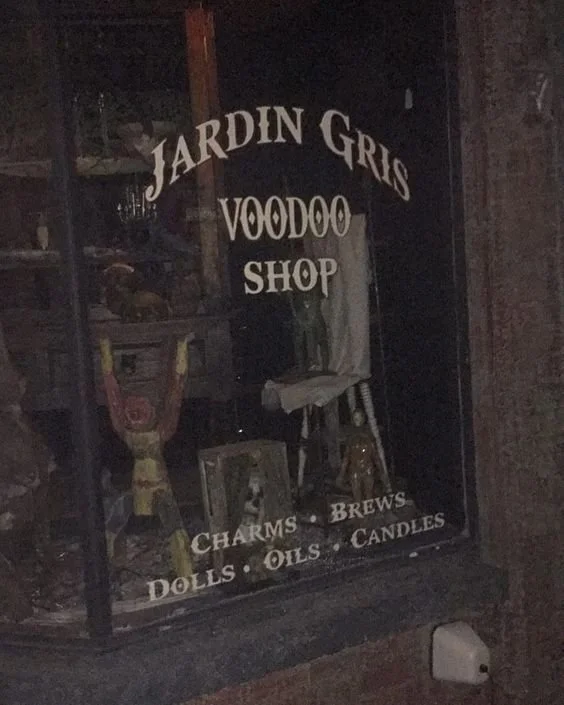
Within ‘What is Voodoo and Where Did it Originate,’ the belief for the religion is that “Voodoo is deeply rooted in the belief that the physical world and the spiritual world are closely interconnected.” The most prominent belief is that there is a supreme creator, titled ‘Bondye’, who rarely interacts with the human world. Those involved in the religion solely communicate with the Lwa(spirits) as mentioned in part one. Offerings in ceremony and day-to-day practice include foods, drinks, and even animals to the specific Lwa they are trying to contact. In addition to the rituals involving music, dance, chants, and spiritual possession, there are also healing practices. These consist of spiritual baths, herbs, and prayer that are used to treat illness or emotional issues. Divination is also common, with tarot readings, shell or bones casting, and consulting a spiritual leader for guidance from Lwa. Gris-Gris is something heard a lot in New Orleans culture; there are stores named it, and it's commonly used in day-to-day life. Gris-Gris are considered to be protection or luck in talisman or charm form, also used or believed to help change outcomes, that are created within rituals.

The biggest takeaway from the Voodoo religion in today's world, and what I want everyone to realize, is that Voodoo was originally curated for healing, ancestral communication, and guidance through the Lwa. The media's portrayal of Voodoo, as I'm sure was many of your opinions before reading these posts, is wildly negative. A stereotype that practitioners work hard to dismantle in today's growing climate. The religion and culture remain a strong central part of New Orleans, especially for African practitioners, as the religion is standing proof of the ancestors who were resilient in staying true to themselves in the face of slavery.
I would like to end this by giving proper credit to Kofi Adeyemi, who wrote the article “What is Voodoo and Where Did it Originate”, which was the sole source used in this post. The information and dedication within his article allowed me to learn more than I did and to share that knowledge with you all.
I hope you all learned something from this post, and it potentially changed your thoughts about whether Voodoo was negative in your mind. Thank you all for reading.
Goodbye for now; see you in the next one!
ARTICLE USED FOR THIS POST:
What Is Voodoo and Where Did It Originate? - Cultures of West Africa
